HISTORY
A gas lamp in Westminster
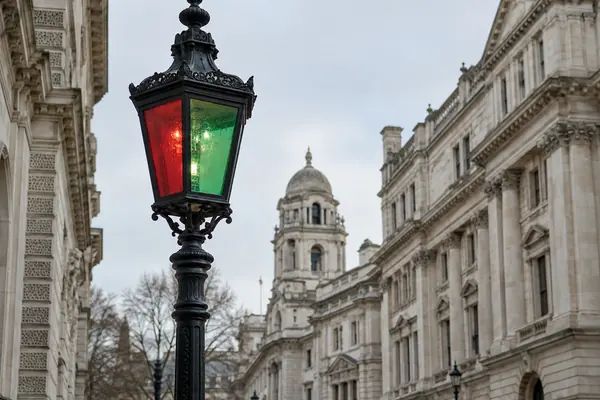
In 1868 a revolving gas lantern with red and green lights, modelled on railway signals, was put up at Great George Street and Bridge Street, near the Houses of Parliament.
What happened to it
 doodletraffic
HOW THE SIGNALS WORK
STOP · GO since 1868
The first traffic light burned gas.
It stood near the Houses of Parliament in 1868. Today's signals follow a fixed sequence set out in the Highway Code, and many of them know you are waiting thanks to a loop of wire under the road.
Updated
Read the lightsTHE SHORT ANSWER
Signals began as railway-style semaphores.
Now a set order of lights tells everyone what to do.
HISTORY
In 1868 a revolving gas lantern with red and green lights, modelled on railway signals, was put up at Great George Street and Bridge Street, near the Houses of Parliament.
What happened to itTHE SEQUENCE
The Highway Code sets the order: red, red and amber, green, amber. Red and amber together still means stop: wait until green shows.
Read each lightSENSING
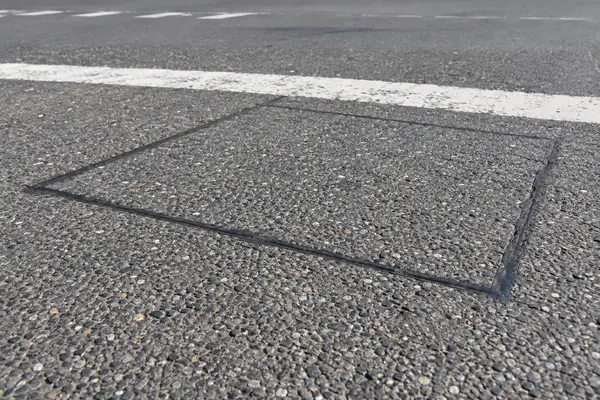
Many signals use a loop of wire in a slot cut into the road. A car's metal body changes the loop's electrical signal, and the controller knows someone is waiting.
How a loop worksREAD THE LIGHTS
Pick a signal to see what the Highway Code says it means. The bar shows how firmly the signal tells you to stop.
Based on the Highway Code section on light signals controlling traffic. This is general information; the Highway Code itself is the authority.
TWO NUMBERS FROM A TEST TRACK
In 2008 researchers in Japan asked drivers to circle a track.
A jam appeared anyway.
22 cars
Cars on a 230 m circular track
Drivers were asked to cruise at about 30 km/h around a circuit with a circumference of 230 m. There was no junction, no lane drop and no bottleneck.
THE EXPERIMENT · NEW J. PHYS. 2008
≈ 20 km/h
Speed the jam moved backwards
Small speed changes grew until a cluster of stopped and slow cars formed. The cluster travelled backwards around the track at roughly 20 km/h.
THE JAM · NEW J. PHYS. 2008
The authors concluded that the emergence of a traffic jam really occurs in the absence of a bottleneck. Source: Sugiyama and colleagues, New Journal of Physics 10, 033001 (2008).
HOW A ROAD LOOP SENSES A CAR
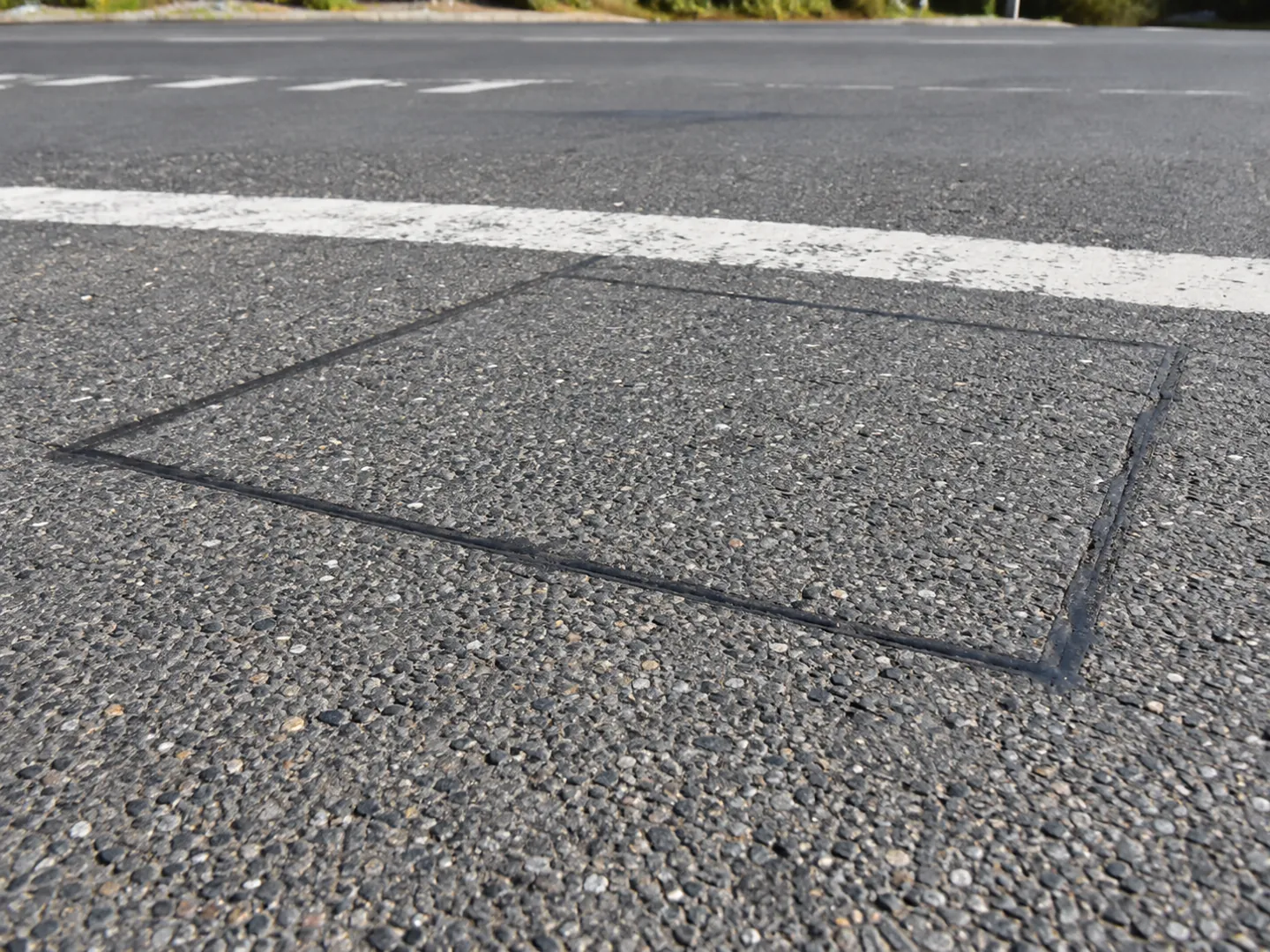
The US Federal Highway Administration's detector handbook calls the inductive loop the most utilized sensor in traffic management. Here is what happens when you pull up to the line.
One or more turns of insulated wire are wound into a shallow slot sawn in the road surface. A handbook example uses a 1.8 by 1.8 m loop with three turns.
An electronics unit sends energy into the loop at a set frequency, between 10 kHz and 200 kHz depending on the model.
The metal of the vehicle induces eddy currents in the loop, which decrease its inductance.
The unit senses this as a drop in frequency and sends a pulse to the signal controller: a vehicle is there.
THE FIRST SIGNAL
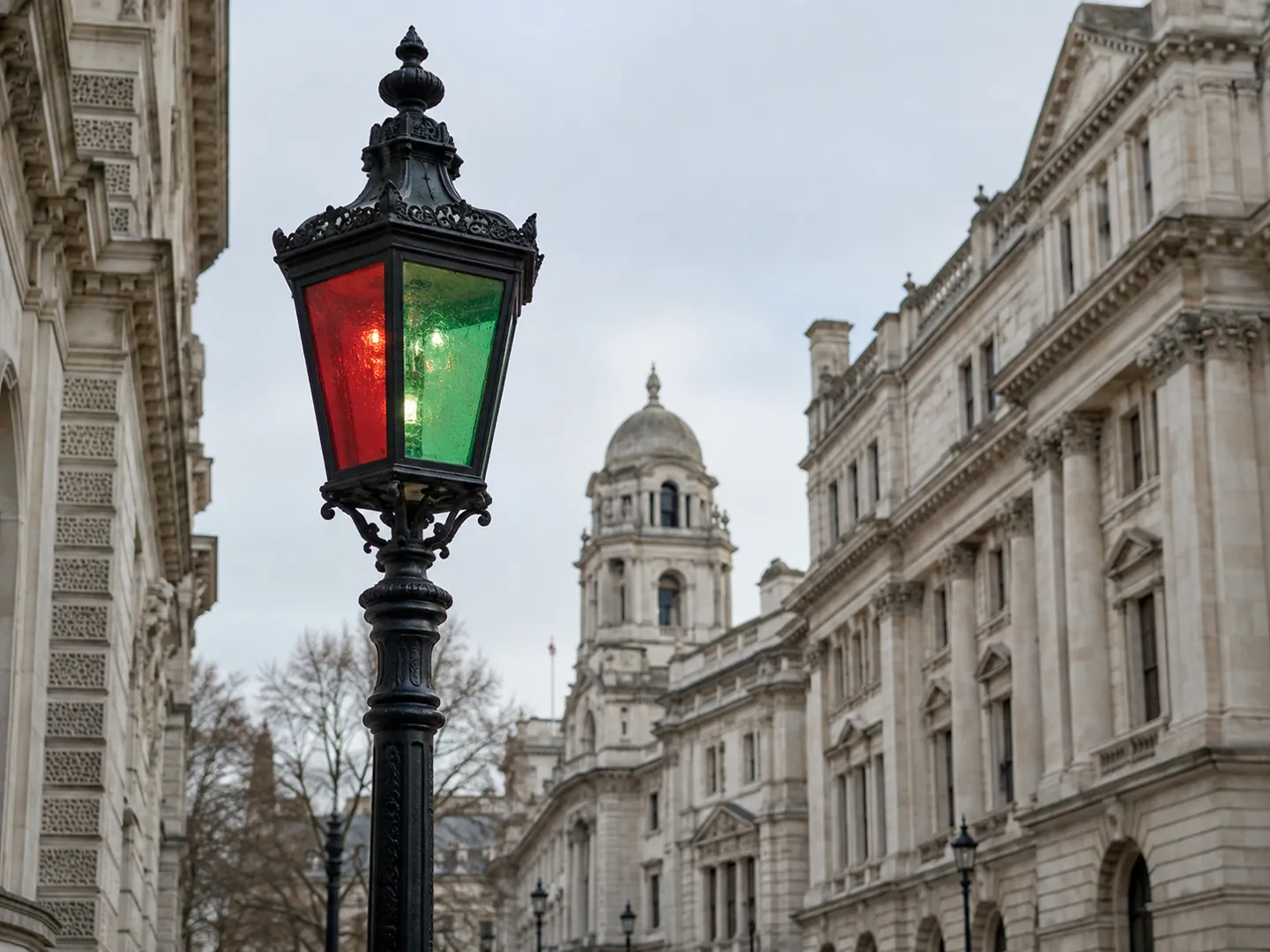
John Peake Knight proposed the signal in 1866 to control horse-drawn traffic. It was semaphore-style, modelled on railway signals, with a revolving gas lantern showing red and green.
It did not last. Grace's Guide records that the lights exploded in 1869 because of a gas leak, badly injuring a policeman on duty nearby, and the signal was removed by 1870.
Questions
At the junction of Great George Street and Bridge Street in Westminster, near the Houses of Parliament, in 1868. It was a revolving gas lantern with red and green lights on a semaphore-style signal.
The Highway Code says red and amber together also means stop. Do not pass through or start until green shows.
Amber means stop at the stop line. The Highway Code allows you to carry on only if the amber appears after you have crossed the line or you are too close to stop safely.
Many use an inductive loop: wire set in a slot cut into the road. A vehicle's metal reduces the loop's inductance, the detector senses a drop in frequency and tells the signal controller.
In a 2008 experiment, 22 cars driving around a 230 m circular track formed a jam with no bottleneck at all. The jam travelled backwards at roughly 20 km/h.
Sources
ABOUT THIS NAME
doodletraffic.com is part of the DoodleSale portfolio. It isn't in an auction right now, but you can ask about leasing it.